Cold Water, Calm Mind: How Japan's Ancient Purification Rites Are Quietly Solving America's Anxiety Crisis
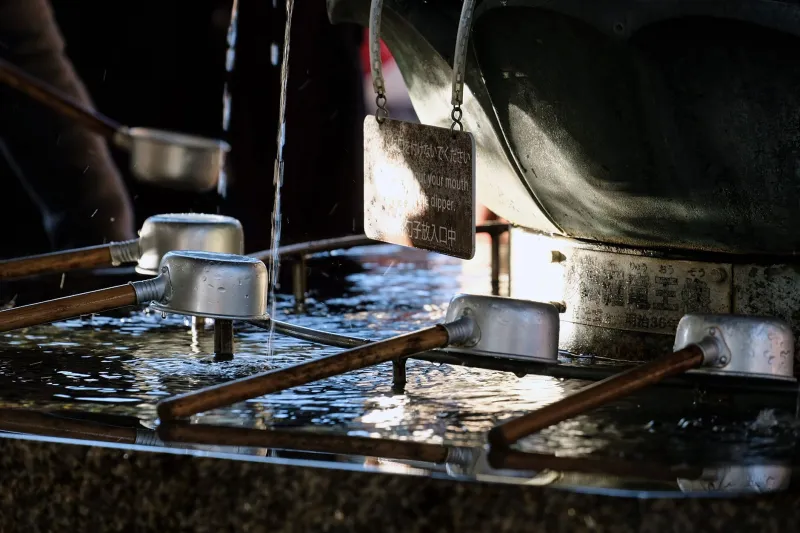
A Ritual Older Than Modern Medicine
In Shinto tradition, the body is not merely a physical vessel. It is a site of spiritual accumulation—carrying the residue of stress, conflict, and environmental exposure that, left unaddressed, disrupts harmony between the individual and the world around them. Misogi, the ceremonial practice of purification through water, was developed precisely to address this accumulation. Practitioners would immerse themselves in rivers, waterfalls, or the ocean before dawn, using the shock and sensation of cold, moving water to cleanse both body and spirit.
For centuries, this practice remained largely within the context of Shinto shrines and monastic disciplines. Today, however, it is attracting a different kind of attention entirely—from neurologists, integrative medicine practitioners, and stress researchers who are finding that what Shinto priests understood intuitively, modern science is now confirming with data.
What Happens to the Body in Cold Water
The physiological response to cold water exposure is immediate and well-documented. Within seconds of contact, the body initiates a cascade of autonomic nervous system activity. The initial shock triggers a sympathetic response—a brief spike in heart rate and cortisol output. But this is followed, particularly in individuals who practice controlled breathing during the exposure, by a pronounced parasympathetic rebound. Heart rate slows. Breathing deepens. The vagus nerve, which governs the body's rest-and-digest functions, becomes significantly more active.
This sequence—brief controlled stress followed by deep physiological calm—is sometimes referred to in clinical literature as "hormetic stress." It mirrors, in a striking way, the neurological arc that underlies effective anxiety treatment: controlled activation followed by measurable recovery. The body, in other words, rehearses resilience.
Research published in journals examining cold water immersion and mood regulation has found consistent reductions in self-reported anxiety scores following regular cold water exposure. Cortisol levels, the primary biochemical marker of chronic stress, have been shown to decrease over time in individuals who maintain a consistent practice. These findings are not fringe observations. They are drawing the interest of integrative medicine clinicians across the United States who work at the intersection of traditional healing systems and contemporary neuroscience.
Misogi Without the Mountain Stream
One of the most practical aspects of misogi as it is being adapted for American daily life is its accessibility. You do not need a Shinto shrine, a mountain waterfall, or an ice bath to engage with the core neurological mechanism this practice activates. The fundamental elements—intentional cold water contact, controlled breathing, and a moment of deliberate mental focus—can be incorporated into an existing morning shower in under five minutes.
The protocol, as recommended by integrative practitioners who have studied misogi's clinical applications, is straightforward. Begin your shower at a comfortable temperature. In the final sixty to ninety seconds, shift the water to cold or cool. As the temperature changes, focus on slowing your exhale rather than gasping or tensing. Breathe in through the nose for a count of four, and out through the mouth for a count of six or eight. Maintain this breathing pattern for the duration of the cold exposure.
This is not simply a cold shower. The intentional breathing component is what distinguishes misogi-informed practice from ordinary temperature contrast therapy. The extended exhale directly stimulates vagal tone—the physiological measure of parasympathetic nervous system activity that researchers increasingly associate with emotional regulation, reduced anxiety, and improved stress recovery. The breathing transforms a physical sensation into a neurological intervention.
Why Morning Timing Matters
Japanese tradition has long placed misogi in the early morning hours, before the demands of the day begin to accumulate. From a neurological standpoint, this timing is not incidental. Cortisol follows a natural diurnal rhythm, peaking in the first hour after waking in what researchers call the cortisol awakening response. In individuals with chronic anxiety or elevated baseline stress, this morning cortisol peak is often exaggerated, setting a dysregulated tone for the entire day.
Engaging in a brief, structured misogi-style practice during this window—before screens, before email, before the first meeting—intervenes in this cortisol pattern at its most influential point. Practitioners who have incorporated this approach into their morning routines frequently report that the downstream effects on mood, focus, and stress tolerance extend well beyond the shower itself. The nervous system, having been given an early signal of deliberate calm, appears to carry that baseline forward.
At Nishino Central Wellness, we frequently counsel patients managing generalized anxiety or stress-related physical symptoms to consider the role of morning routine architecture in their overall treatment plan. The absence of a structured neurological reset in the first hour of waking is a pattern we observe consistently among patients presenting with chronic low-grade anxiety.
The Intentionality Principle
What separates misogi from a cold rinse is the quality of attention brought to the practice. In Shinto philosophy, purification is never passive. It requires conscious participation—an acknowledgment that the practice is purposeful, directed, and meaningful. This element of intentionality is not merely spiritual window dressing. It has a measurable neurological correlate.
Research on mindfulness-based interventions consistently demonstrates that the same physical activity produces different physiological outcomes depending on whether it is performed with deliberate attention or performed automatically. Breathing exercises practiced with focused awareness produce greater vagal activation than identical breathing patterns performed without conscious engagement. The mind's participation in the body's regulation is not metaphorical—it is mechanistic.
This is why misogi, even in its most stripped-down modern form, is not equivalent to simply turning down the hot water. The practitioner is asked to arrive mentally, to treat the moment as a threshold between the sleeping self and the active day, and to use breath as the instrument of that transition.
A Five-Minute Intervention in a Medicated Culture
The United States currently leads the world in anxiolytic prescriptions. Tens of millions of Americans manage anxiety through pharmaceutical intervention, and while medication has an essential role in clinical care, many patients and clinicians alike are seeking complementary approaches that address the nervous system's regulatory capacity rather than simply suppressing its symptoms.
Misogi-informed morning practice does not position itself as a replacement for clinical treatment. It positions itself as a daily maintenance practice—a way of building the parasympathetic resilience that makes the nervous system less reactive over time. For patients who meditate but struggle with consistency, or who find seated mindfulness inaccessible, the physical engagement of cold water and breath offers an embodied entry point that requires no cushion, no app, and no silence.
Japan has long understood that healing is not always dramatic. Sometimes it is a quiet act, performed before sunrise, at the threshold of the day. In that understanding, there is something both ancient and urgently relevant to the American experience of anxiety in the modern world.