From Tokyo Pharmacies to American Clinics: How Kampo Herbal Medicine Is Earning Its Place in US Healthcare
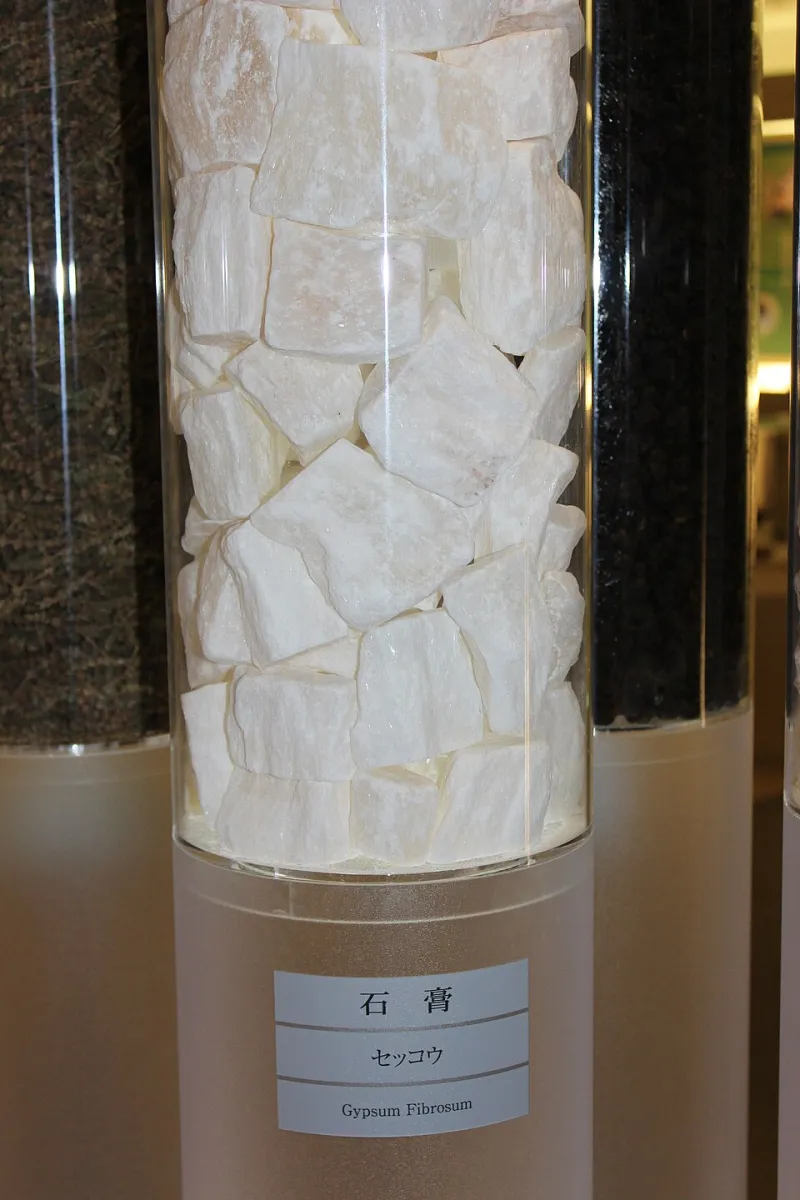
Photo: Hanabishi, CC BY-SA 3.0, via Wikimedia Commons
Walk into any major pharmacy in Japan and you will find Kampo preparations displayed alongside conventional pharmaceuticals — not tucked into a specialty health aisle, but positioned as legitimate, clinically recognized medicine. In the United States, that degree of mainstream acceptance remains a work in progress. Yet the trajectory is unmistakable. At Nishino Central Wellness, we have watched with great interest as Kampo, Japan's refined tradition of herbal medicine, edges steadily into the consciousness of American practitioners and patients alike.
This is not simply a wellness trend. It is the convergence of rigorous Japanese clinical research, evolving regulatory frameworks, and a growing American appetite for therapies that complement rather than compete with conventional medicine.
What Exactly Is Kampo, and How Did It Develop?
Kampo (漢方) traces its origins to classical Chinese medicine, introduced to Japan roughly 1,500 years ago. However, Japanese physicians did not merely adopt this tradition wholesale. Over subsequent centuries, they systematically refined it — eliminating formulations they deemed ineffective, standardizing dosages, and developing a diagnostic framework grounded in careful physical observation rather than purely theoretical constructs. By the Edo period, Kampo had evolved into a distinctly Japanese medical discipline.
Today, Japan's Ministry of Health, Labour and Welfare officially recognizes 148 Kampo formulations. These preparations are manufactured under strict pharmaceutical-grade quality controls, a regulatory standard that sharply distinguishes them from the loosely regulated herbal supplements commonly sold in American health food stores. Japanese physicians — the majority of whom are conventionally trained — routinely prescribe Kampo alongside antibiotics, antihypertensives, and other standard medications.
How Kampo Differs from Traditional Chinese Medicine
American consumers sometimes assume that Kampo and Traditional Chinese Medicine (TCM) are interchangeable. The distinction matters, both clinically and practically.
While both systems share foundational botanical ingredients, their diagnostic philosophies diverge meaningfully. TCM practitioners typically conduct extensive tongue and pulse analysis and prescribe highly individualized formulas that may be adjusted frequently. Kampo, by contrast, employs a more standardized diagnostic methodology centered on what practitioners call sho — a pattern of physical and constitutional signs that guide formula selection. This standardization has made Kampo considerably more amenable to clinical trials and regulatory evaluation, since researchers can study consistent, reproducible formulations.
Additionally, Kampo formulations generally use fewer individual herbs per preparation than TCM prescriptions, reducing the complexity of herb-drug interaction profiles. This characteristic has made Kampo an easier subject of pharmacological investigation and has contributed to its growing acceptance among conventionally trained physicians.
The Research Landscape: What the Clinical Evidence Shows
Several Kampo formulations have accumulated meaningful clinical evidence that has attracted attention from researchers and practitioners in Western countries.
Daikenchuto (DKT): Perhaps the most thoroughly studied Kampo formula in Western medical literature, Daikenchuto is used in Japan to support gastrointestinal motility and reduce postoperative ileus — a common complication following abdominal surgery. Multiple randomized controlled trials conducted at institutions including the Mayo Clinic have evaluated DKT's effects on gut function. Results have been sufficiently compelling that DKT has been used in Phase II clinical trials in the United States, marking a significant milestone for Kampo's integration into American research infrastructure.
Goreisan: This five-herb formula is used in Japan to manage fluid balance and has been studied for applications ranging from hyponatremia to edema. Its mechanism — modulating aquaporin channels in the body — has generated interest among nephrologists and neurologists in the US.
Shakuyakukanzoto: Prescribed widely in Japan for muscle cramps and spasms, this two-herb preparation has been evaluated in trials examining its utility for chemotherapy-induced peripheral neuropathy, a side effect that conventional oncology has struggled to address effectively.
Yokukansan: This formula has garnered particular interest in geriatric and neurological circles for its potential to manage behavioral and psychological symptoms in dementia patients. Several Japanese studies have reported reductions in agitation and irritability, prompting researchers at American academic medical centers to examine its applicability in Alzheimer's care.
The FDA and the Regulatory Question
It would be an overstatement to claim that Kampo has achieved FDA drug approval in the United States. The regulatory path for botanical medicines in this country remains complex and costly. However, the landscape is shifting in meaningful ways.
The FDA's Botanical Drug Development Guidance, updated in 2016, created a more navigable pathway for plant-based therapies seeking approval as prescription drugs. Daikenchuto's clinical trials in the US were conducted under an Investigational New Drug (IND) application — a formal FDA designation that requires adherence to the same research standards applied to conventional pharmaceuticals. This represents a substantive step beyond the typical dietary supplement category under which most herbal products are marketed.
Furthermore, the National Institutes of Health's National Center for Complementary and Integrative Health has funded Kampo-related research, lending additional institutional legitimacy to the field. American integrative medicine practitioners — particularly those affiliated with academic medical centers — are increasingly familiar with the evidence base for specific Kampo formulations.
Practical Guidance for Americans Considering Kampo
For patients at Nishino Central Wellness and beyond, interest in Kampo is understandable. However, thoughtful integration requires informed decision-making.
Consult before you self-prescribe. The availability of herbal products online does not mean all preparations are equivalent to pharmaceutical-grade Kampo. Quality control varies enormously among American supplement manufacturers. Seek guidance from a practitioner trained in Kampo or integrative medicine.
Disclose everything to your primary care provider. Herb-drug interactions are real. Several Kampo herbs, including licorice root (kanzo), can affect potassium levels and interact with certain cardiac medications. Transparency with your healthcare team is non-negotiable.
Understand that Kampo is a complement, not a replacement. The most effective outcomes observed in clinical settings arise when Kampo formulations are used alongside — not instead of — evidence-based conventional treatments. Japanese medicine has always embraced this integrative philosophy.
Look for standardized extracts. When sourcing Kampo products in the US, prioritize manufacturers who adhere to Good Manufacturing Practice (GMP) standards and provide third-party testing documentation.
A Tradition Whose Time Has Come
At Nishino Central Wellness, our approach to Kampo reflects the same philosophy that has guided Japanese medicine for centuries: rigorous observation, respect for the body's innate capacity for balance, and openness to refining tradition in light of new evidence. The growing American recognition of Kampo is not a departure from scientific medicine — it is an expansion of it.
As clinical trials continue and regulatory frameworks evolve, we anticipate that specific Kampo formulations will earn increasingly formal recognition within the US healthcare system. For patients willing to engage thoughtfully and work collaboratively with knowledgeable practitioners, Kampo offers a genuinely promising complement to conventional care — one grounded in centuries of careful observation and, increasingly, in the rigorous standards of modern clinical science.