Before There Were Pharmacies, There Were Kitchens: The Everyday Japanese Ingredients Working Overtime as Medicine
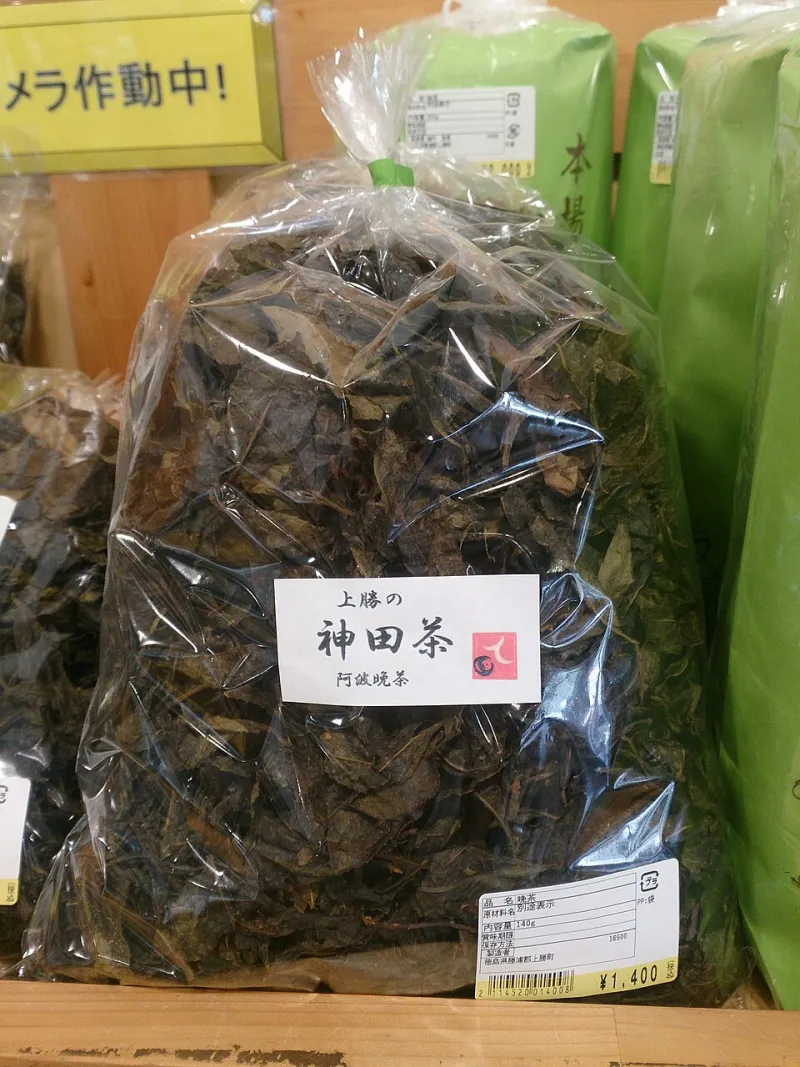
Photo: Shugyoso, CC BY-SA 4.0, via Wikimedia Commons
Walk into a traditional Japanese kitchen and you will not find a medicine cabinet so much as a fermentation station. For generations, families reached for the same jars and crocks to settle a stomach, ease fatigue, or steady digestion that they used to season dinner. It was not folk magic—it was accumulated observation, refined over centuries and now, remarkably, finding corroboration in American laboratories studying the gut microbiome.
The Original Functional Foods
Consider umeboshi, the pickled plum that has sat beside rice in Japanese bento boxes for centuries. Its intense saltiness and citric acidity made it the household remedy of choice for nausea and low appetite. Modern analysis points to organic acids and polyphenols that may support digestion, though its greatest benefit may be simpler: it makes plain rice a complete, satisfying meal, discouraging the snacking cycle that drives so much American metabolic distress.
Koji—the cultivated mold used to make miso, soy sauce, and sake—is perhaps the most scientifically compelling of the group. Koji-fermented foods deliver enzymes that pre-digest proteins and starches, potentially easing digestive burden. Research into koji-derived compounds and gut flora diversity is expanding rapidly, and American nutritionists have begun recommending miso soup not as a novelty but as a legitimate dietary intervention.
Kombu, the kelp simmered into dashi broth, supplies glutamates that create umami depth with almost no calories, along with iodine, fucoidans, and soluble fiber. Brown rice vinegar, another fermentation product, has been studied for modest effects on blood sugar response when consumed with meals.
What the Research Actually Supports
It is worth being precise. None of these ingredients is a drug, and no traditional food should replace indicated medical treatment. What the evidence does support is a pattern: populations with high intake of fermented foods show greater microbial diversity in the gut, and diversity is consistently associated with lower markers of systemic inflammation.
A widely cited 2021 Stanford trial found that a diet rich in fermented foods increased microbiome diversity and decreased inflammatory markers in as little as ten weeks. Miso, naturally, was among the foods studied.
Three Practices You Can Adopt Without a Specialty Store
1. Replace one afternoon snack with a small bowl of miso soup. Instant miso paste is available in virtually every American supermarket. The point is not only the probiotics—it is the pause, the warmth, the interruption of the grazing pattern.
2. Cook a grain with a strip of kombu once a week. Dried kombu keeps for months, requires no preparation beyond dropping it into the pot with rice or beans, and adds minerals and depth without effort.
3. Use vinegar deliberately, not decoratively. A tablespoon of brown rice vinegar in a dressing or over cooked greens at mealtime is a simple, low-risk habit with plausible glycemic benefits.
Food as First-Line Care, Not Replacement Care
The philosophy underlying these remedies deserves as much attention as the ingredients themselves. In the Japanese household tradition, food was the first response—not the only one. Families who used umeboshi for an upset stomach also knew when a symptom warranted a physician. That calibration—escalating care when appropriate, maintaining the body daily when not—is the real inheritance.
At Nishino Central Wellness, we view dietary tradition as one strand of integrative care, alongside structural therapy, herbal medicine, and conventional evaluation. The pantry is a powerful ally. It is not a substitute for a clinician who knows your history. Used together, however, they represent medicine as it was practiced for most of human history: daily, delicious, and close at hand.
Consult your healthcare provider before making significant dietary changes, particularly if you have hypertension, thyroid conditions, or take medications affected by high-sodium or high-iodine foods.