The Waiting Room Is the First Prescription: Environmental Design and the Hidden Medicine of Japanese Clinics
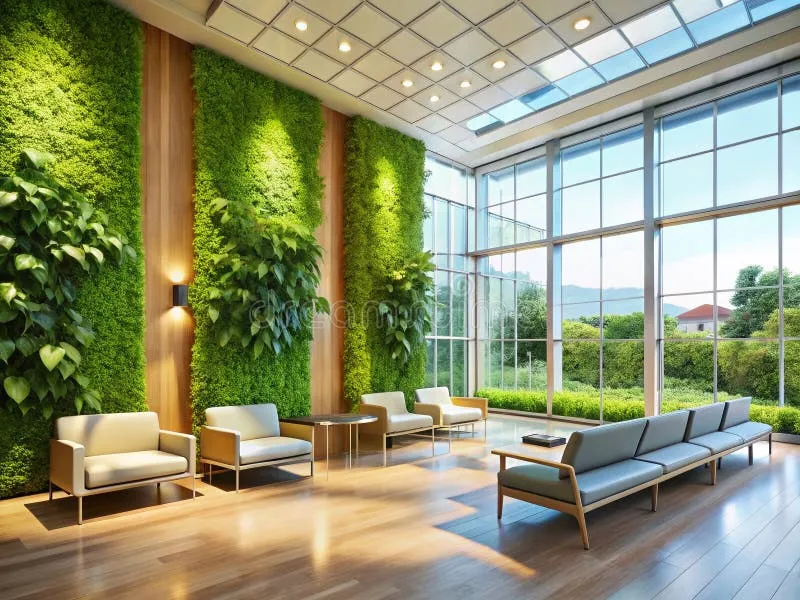
Photo: calm modern japanese clinic waiting room natural light wood interior plants, via thumbs.dreamstime.com
White-knuckle hypertension is a recognized phenomenon: the measurable spike in blood pressure that occurs simply from being in a medical setting. For patients managing chronic pain, the waiting room is not a neutral antechamber. It is the opening scene of the clinical encounter, and for many it is the most stressful part.
In Japan, clinic design has long treated this fact as an opportunity rather than an afterthought. The lessons travel — and a surprising number of them can be implemented on an American budget.
What a Japanese Waiting Room Does Differently
Walk into a well-designed clinic in Kyoto or suburban Tokyo and several features register before you can name them.
Light is indirect and warm. Overhead fluorescent banks are avoided in favor of natural light, paper or diffused fixtures, and lower ambient brightness. Harsh uniform illumination — the default in American facilities — is understood to signal institutional urgency rather than care.
Sound is managed, not filled. Where an American waiting room often plays a morning talk show at full volume, Japanese clinics tend toward quiet, or toward the deliberate use of natural sound — water, birdsong, very soft instrumental music. The concept of ma, meaningful pause or negative space, extends to acoustics: silence is treated as part of the treatment environment, not a void to be filled.
Scent is considered. Hinoki cypress, subtle incense traditions adapted for clinical use, or simply the absence of disinfectant-dominant air. Olfactory cues reach the limbic system faster than any signage; a calm smell calms before the receptionist says a word.
Pacing is built into the schedule. Japanese clinics commonly run on appointment blocks with unhurried transitions, and the physical space reflects this — seating arranged to reduce face-to-face crowding, clear sightlines to reduce the anxiety of not knowing when you'll be called.
The Measurable Stakes
This is not merely aesthetics. Environmental psychology research has repeatedly linked healthcare-space design to physiological outcomes: views of greenery and natural light are associated with lower perceived pain, reduced analgesic use, and improved blood pressure readings. Studies of waiting-room interventions — music, nature imagery, reduced noise — show measurable reductions in pre-appointment anxiety, which in turn affects the readings clinicians take afterward.
For chronic pain patients this matters acutely. Muscle guarding, sympathetic arousal, and pain catastrophizing all rise with environmental stress. A patient who arrives already braced is harder to treat, reports higher baseline pain scores, and carries the visit's tension home. The waiting room, in other words, either begins the therapy or begins the resistance to it.
Why American Spaces Work Against Themselves
American healthcare environments evolved under pressures Japanese clinics did not share: throughput maximization, litigation-driven lighting, and a broadcasting culture that treats silence as wasted airtime. The result is often a space that triggers precisely the stress response the visit is meant to relieve — fluorescent glare, a television at high volume, hard acoustics that broadcast every cough, and seating that forces strangers into eye contact.
The irony is that none of this is mandated. It is inherited habit.
What Is Feasible Here
A full redesign is not required. Clinics and even solo practices can make meaningful changes at modest cost:
- Replace overhead fluorescents in the waiting area with warm, indirect lamps and maximize whatever natural light exists
- Retire the television; substitute low-volume natural sound or silence
- Introduce plants or, where maintenance is impractical, high-quality nature imagery and wood-toned materials
- Rearrange seating into small angled clusters rather than rows
- Post clear, honest wait-time communication — uncertainty, not waiting itself, drives much waiting-room anxiety
- Audit the scent: neutralize the disinfectant wall in the entry zone rather than the treatment rooms
Patients notice. More importantly, their nervous systems notice, even when their attention does not. In pain management especially, where the goal is to downshift a sensitized nervous system, the environment is not the setting for the treatment. It is the first treatment.
The best clinics in both countries understand this. The difference is that Japanese design tradition made it explicit — and American medicine, with its resources and ingenuity, has no excuse for not catching up.